- 125
Interior Design Taipei as a Hotel Interior Design Firm Creating Modern Luxe Hospitality Spaces for Boutique and Five-Star Hotels
Taipei is a city where culture, technology, and hospitality intersect in fascinating ways. From the bustling luxury districts of Xinyi to the heritage streets of Dadaocheng, Taipei offers visitors an experience that blends modern sophistication with deep cultural roots. As Taiwan’s economic and tourism hub, the city welcomes international business travelers, regional tourists, and design-conscious explorers seeking memorable hospitality experiences.Interior Design Taipei
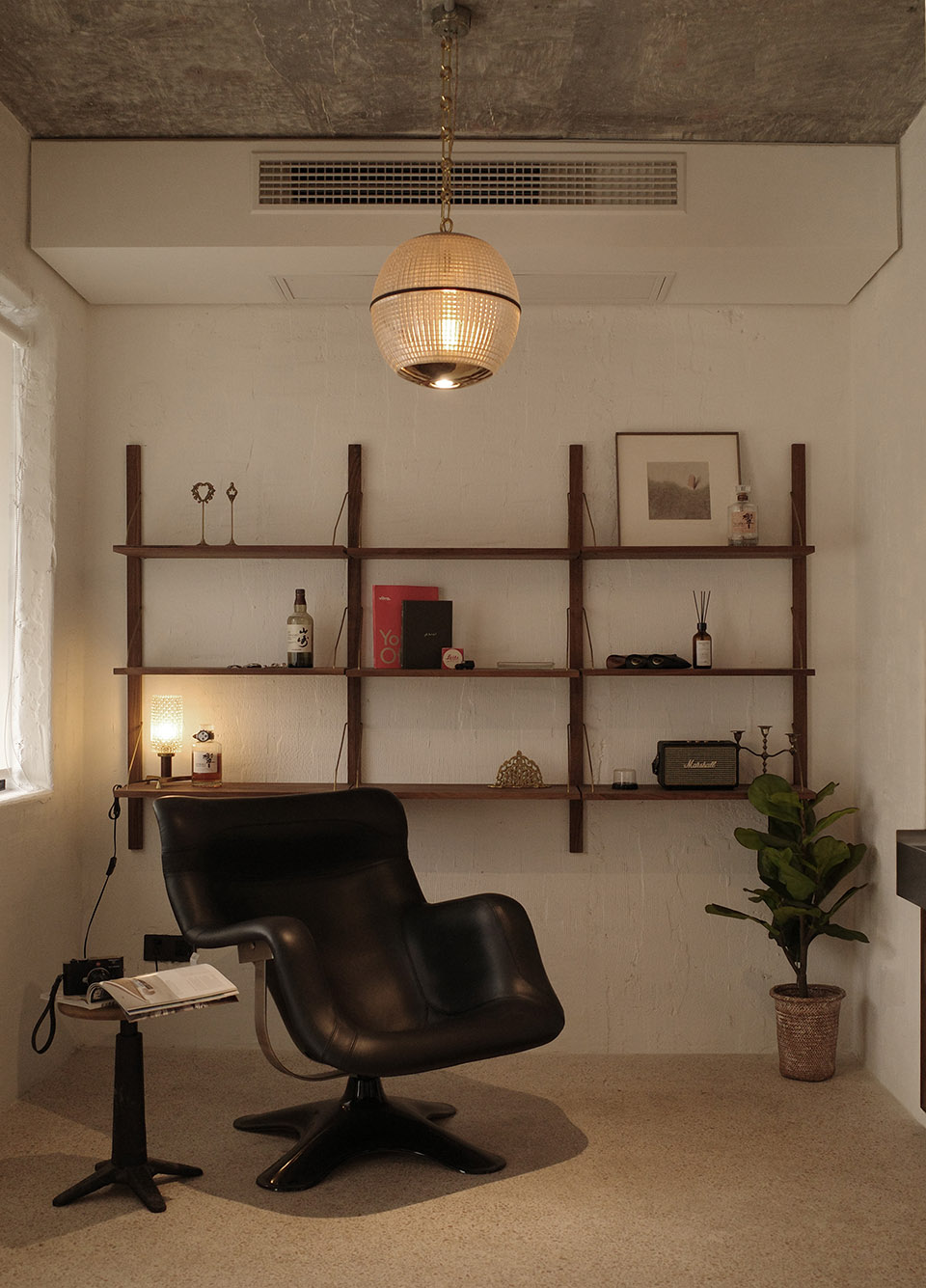
In this vibrant environment, hotel design has become more than a matter of aesthetics—it is a strategic tool for shaping guest experiences and strengthening brand identity. Through thoughtful Interior Design Taipei, our firm creates modern luxury hospitality environments that combine refined aesthetics, operational intelligence, and emotional connection.
For boutique hotels and five-star destinations alike, the goal is the same: to craft spaces that feel distinctive, comfortable, and unmistakably tied to the spirit of Taipei.
Taipei’s Hospitality Landscape: A City of Culture, Business, and Tourism
Taipei’s tourism ecosystem reflects the city’s global role as a cultural, economic, and technological gateway to Taiwan.
Business travelers frequently visit commercial districts such as Xinyi, home to global corporations, financial institutions, and the iconic Taipei 101 tower. Meanwhile, lifestyle travelers explore creative areas like Songshan Cultural and Creative Park, vibrant food destinations including Ningxia Night Market, and historic neighborhoods such as Dihua Street.
This mix of business and leisure tourism has shaped Taipei’s hotel industry. Properties must accommodate diverse visitor expectations—from efficient business stays to immersive cultural experiences.
The city’s subtropical climate also influences hospitality design. With humid summers and mild winters, interior spaces must balance visual warmth with thermal comfort. Natural materials, breathable textures, and layered lighting strategies help create welcoming environments throughout the year.
In this context, Interior Design Taipei becomes a crucial element in shaping the identity and competitiveness of modern hotels.
The Rise of Modern Luxe Hospitality Design
Luxury hospitality has evolved significantly in recent years. Guests today seek spaces that feel refined yet relaxed—luxury without stiffness.
This philosophy is often described as Modern Luxe.
Modern Luxe hotel design combines contemporary elegance with tactile comfort. It emphasizes high-quality materials, thoughtful lighting, and spatial harmony while maintaining a warm, welcoming atmosphere.
In Taipei, this design language often blends global sophistication with subtle Taiwanese cultural elements. Guests may experience refined marble surfaces alongside handcrafted ceramics, contemporary lighting paired with traditional textures, or sleek architectural forms complemented by local artistry.
As locals say, “舒適又有質感”—comfort with character.
This balance defines the essence of successful hospitality environments in Taipei.
Creating Memorable Arrival Experiences
The guest journey begins the moment visitors step inside a hotel. The arrival experience sets the emotional tone for the entire stay.
In modern hospitality design, the lobby is no longer just a reception area—it is a social and cultural hub.
Our approach to Interior Design Taipei focuses on designing lobbies that combine architectural drama with human warmth. High ceilings, sculptural lighting installations, and elegant material palettes create a sense of luxury, while comfortable seating clusters invite guests to relax and connect.
In many Taipei hotels, designers integrate cultural storytelling into the lobby environment. This might include locally inspired artwork, calligraphy elements, or materials sourced from Taiwanese craftsmanship traditions.
The result is a space that immediately communicates both global sophistication and local identity.
Designing Guest Rooms as Personal Sanctuaries
After exploring the city or attending meetings in Xinyi’s business district, travelers return to their rooms seeking rest and comfort.
Guest room design therefore becomes one of the most important aspects of hotel interiors.
Successful rooms combine aesthetic refinement with practical functionality.
Key design principles include:
Calm Spatial Composition
Clean architectural lines and balanced proportions create visual clarity.
Comfort-Focused Furniture
Ergonomic seating, well-designed work desks, and luxurious bedding support both relaxation and productivity.
Layered Lighting
Soft ambient lighting, bedside reading lights, and subtle accent illumination allow guests to control their environment.
Cultural Subtlety
Design details inspired by Taiwanese heritage—woven textures, ceramic elements, or nature-inspired art—introduce character without overwhelming the space.
These strategies ensure guest rooms feel both luxurious and personal.
Social Spaces: Restaurants, Bars, and Lifestyle Venues
Modern hotels must serve as lifestyle destinations, not just accommodation providers.
Restaurants, cafés, rooftop bars, and social lounges often become signature features that attract both visitors and local residents.
Our firm’s expertise in restaurant and retail environments allows us to design vibrant hospitality spaces that feel energetic yet sophisticated.
In Taipei, food culture plays a central role in the city’s identity. From Michelin-star dining to famous street food markets, the culinary experience is deeply woven into the city’s lifestyle.
Hotel restaurants therefore require design environments that enhance atmosphere and storytelling. Open kitchens, curated lighting schemes, and distinctive material palettes can transform dining areas into memorable destinations.
As many Taiwanese hosts warmly say, “歡迎光臨”—welcome, enjoy the experience.
Wellness and Flexible Hospitality Spaces
Another growing priority in hotel design is wellness and flexibility.
Travelers increasingly seek environments that support relaxation and personal well-being. Hotels respond by incorporating:
-
spa and wellness centers
-
fitness studios
-
meditation and relaxation spaces
-
flexible event venues
These areas require thoughtful acoustic control, calming lighting atmospheres, and tactile materials that promote tranquility.
In Taipei’s fast-paced urban environment, such spaces offer guests a valuable opportunity to recharge.
Strategic Design Behind the Guest Experience
Behind every beautiful hotel environment lies a strategic design process.
Successful hospitality interiors consider both emotional experience and operational efficiency.
Our firm approaches Interior Design Taipei with careful attention to:
-
Guest journey mapping to ensure intuitive navigation
-
Circulation planning for smooth movement throughout the property
-
Lighting strategy that shapes mood and visual identity
-
Acoustic comfort to maintain relaxation in social environments
-
Durable luxury materials capable of long-term performance
These technical considerations ensure that the hotel remains both visually striking and operationally efficient.
Delivering Hospitality Design from Concept to Completion
Designing a successful hotel requires coordination between designers, architects, operators, and developers.
Our firm provides a comprehensive hospitality design process that includes:
-
Concept development and storytelling
-
Spatial planning and guest experience design
-
Material selection and detailing
-
Visualization and presentation
-
Construction coordination and site supervision
-
Final styling and finishing
This structured approach ensures the design vision is translated faithfully into the built environment.
Crafting Hospitality Destinations in Taipei
Taipei’s hotel market continues to evolve as tourism grows and global travelers seek authentic experiences.
In this competitive landscape, hotels must differentiate themselves through thoughtful design that resonates emotionally with guests.
Through carefully crafted Interior Design Taipei, our firm creates boutique and five-star hospitality environments that combine modern luxury, cultural authenticity, and operational intelligence.
When design successfully blends these elements, a hotel becomes far more than accommodation—it becomes a destination that travelers remember long after their journey ends.
Because the most successful hospitality spaces are those that make guests feel something meaningful the moment they arrive.
Connect with us in


