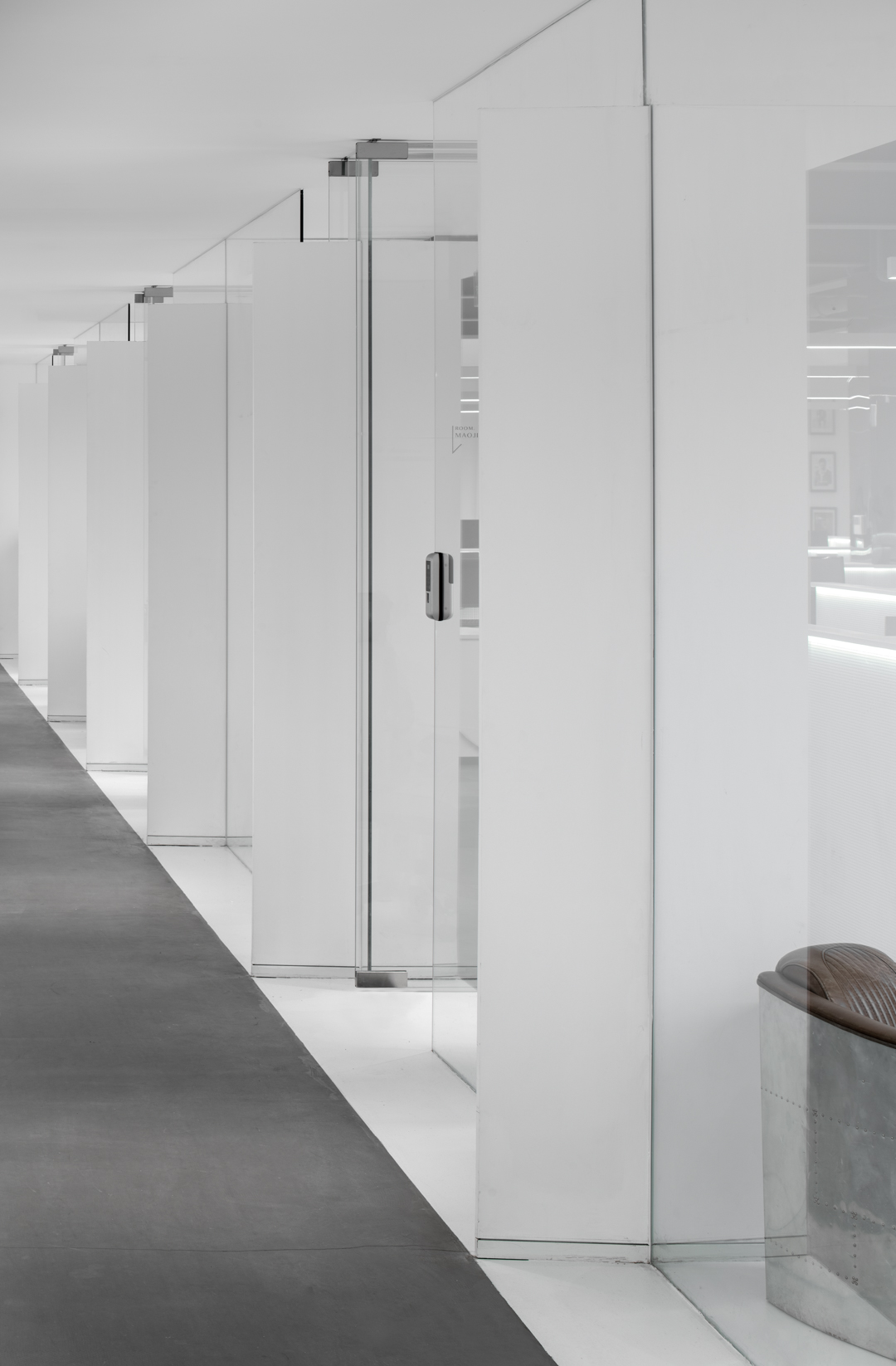
Hotel Interior Design & Build in Taipei
Taipei’s hotel landscape is a dynamic intersection of global tourism forces, local culture and rising commercial expectations. As Taiwan’s capital and chief business hub, Taipei channels a diversified travel mix — from MICE delegates to leisure explorers — demanding hospitality spaces that are both authentic and commercially savvy. This article dissects how strategic hotel interior design & build in Taipei channels guest experience into revenue performance while navigating the city’s unique market, climatic and regulatory conditions.Hotel Interior Design & Build Taipei
Understanding the Hotel Market in Taipei
Demand Dynamics and Competitive Positioning
Taipei sits at the heart of Taiwan’s broader hospitality rebound. After pandemic contractions, Taiwan’s hotel industry has seen occupancy rates recover strongly — with Taipei’s luxury hotels achieving above 80 % in peak periods and MICE‑driven business demand lifting convention hotel performance particularly high. Overall, Taiwan’s nationwide occupancy climbed to approximately 68 % in 2023, driven by a surge in international visitors and strong domestic travel. RevPAR and ADR trends indicate rising revenue per available room, especially in the upper segments of the market.
The city’s competitive set now spans internationally branded luxury hotels, boutique independent properties, and flexible lifestyle concepts. Taipei’s business districts such as Xinyi, Daan and Zhongzheng — together with transit‑oriented clusters around Taipei Main Station and Banqiao — offer distinct positioning opportunities. Investors increasingly view design as a performance lever to differentiate in a crowded supply pipeline, where guest expectation, brand experience and operational efficiency intersect.
Tourism Drivers and Business Travel Patterns
Taipei attracts a balanced mix of tourist segments. International travelers from Japan, South Korea, and the U.S. contribute a meaningful share of occupancy, while domestic travelers fill demand in shoulder periods and weekends. Growing MICE volumes — boosted by trade shows and regional conferences — fortify weekday business travel demand, a crucial stabilizer for midscale and upscale city hotels.
This duality underscores why Taipei hotel design cannot lean solely on aesthetic appeal. Instead it must shape spatial experiences that cater to business‑driven travel flows, seamless transitions between work and leisure, and flexible communal spaces that support networking, relaxation and repeat stays.
Strategic Hotel Interior Design for Competitive Advantage
Guest Journey Mapping and Spatial Logic
Design in Taipei’s hotel context begins with the guest journey — the series of emotional and functional touchpoints from arrival to checkout. This requires mapping expectations across diverse guest personas: business executives needing efficient check‑in and workspace continuity; leisure visitors seeking local character; and long‑stay guests valuing residential comfort.
Lobbies today function as more than entry points. They are the first pivot of branding, narrative and revenue generation through curated F&B interactions. Strategic spatial planning can turn arrival sequences into storytelling journeys — weaving in local craftsmanship and Taipei’s neighborhood nuances — without compromising operational flow.
Public Space Activation and F&B Integration
Public spaces in hotel design must balance visibility with commercial outcomes. Taipei’s hospitality landscape favors versatile lounges, co‑working zones and multi‑purpose F&B nodes that cater to both hotel guests and walk‑in patrons. These spaces, conceived through a lens of activity ecology, contribute measurably to ancillary revenue streams while reinforcing brand ethos.
Design decisions also directly influence ADR, occupancy and guest satisfaction scores. For example, workspace ergonomics, lighting quality and integrated technology are often differentiators for business travellers — impacting reviews on OTA and GDS channels that feed pricing algorithms.
Embedding the Character of Taipei into Hotel Design
Cultural Storytelling and Local Materials
Taipei’s rich cultural tapestry — from traditional markets to contemporary design districts — offers a wealth of narrative inspiration. Effective design integrates this context through materiality, art and craft without lapsing into cliché. Local materials such as Taiwanese hardwoods, hand‑crafted ceramics and stone textured by local artisans can serve as authentic, tactile interfaces within spaces. These elements aid in grounding hotels within their physical and cultural environment.
Incorporating local cultural motifs also contributes to what locals speak of as “在地精神” (zàidì jīngshén) — an ethos respecting local essence. Thoughtful integration of this principle elevates guest perception, especially for international visitors seeking experiences beyond generic hospitality environments.
Climate‑Responsive and Indoor‑Outdoor Transitions
Taipei’s humid subtropical climate — with hot, humid summers and mild winters — influences material choices and ventilation strategies. Interior design must account for humidity control, anti‑mould detailing and thermal comfort to ensure durability and guest satisfaction. Where possible, designs that blur indoor‑outdoor boundaries — such as courtyards or garden‑oriented atria — harness natural ventilation and light while resonating with local lifestyle patterns.
Delivering Hotel Construction the Right Way
Pre‑Construction Feasibility and Authority Process
Execution in Taipei requires robust front‑end planning. Feasibility studies align concept vision with site constraints, local building codes, and Taiwan’s stringent fire safety and MEP (mechanical, electrical, plumbing) compliance requirements.
Submission to Taipei City Government authorities — including building permits, fire safety audits and accessibility compliance — often necessitates iterative coordination with local consultants familiar with municipal workflows. Timely and accurate documentation is critical to avoid schedule slippage and costly resubmissions.
MEP Coordination, HVAC and Acoustic Strategy
Hotel interiors are technically demanding; they integrate diverse systems for guest comfort and operational reliability. High‑efficiency HVAC design combats humidity and thermal loads, while acoustic insulation is paramount to privacy in adjoining rooms and against urban noise — both essential to guest satisfaction metrics.
Similarly, waterproofing strategies around wet areas and service zones support longevity, while commercial kitchen integration and back‑of‑house workflows must align with health code and service efficiency standards.
Building for Durability in Taipei’s Environment
Material Performance and Lifecycle Planning
Taipei’s climate — warm, humid and often typhoon‑prone — challenges materials with moisture ingress and corrosion risk. Durable finishes and moisture‑resistant substrates should be standard in high‑traffic zones; lifecycle planning must consider maintenance cycles and replacement paths that minimise disruption to operations.
Sustainable selections — from low‑VOC finishes to certified timber — align with global standards and increasingly matter to conscious travellers. Sustainability in design also dovetails with Taipei’s growing eco‑tourism sensibilities and regulatory shifts toward greener building practices.
Our Integrated Hotel Design & Build Process
Concept to Commissioning
An integrated design & build process strengthens accountability and delivery coherence. Our methodology begins with brand alignment workshops and spatial zoning strategies, proceeding through detailed 3D visualisation and mock‑up validation. Early cost planning and authority approval management set clear expectations, while phased construction scheduling safeguards timeline integrity.
Detailed quality inspections, FF&E coordination and installation management ensure that what is conceived is effectively realized. Rigorous defect control and final commissioning support a smooth handover and operational launch.
A Trusted Hotel Interior Design Company in Taipei
Years of hospitality sector expertise, project scale capabilities and nuanced understanding of operator requirements position us as a collaborative partner for hotel developers. Our strength lies in balancing creative excellence with operational efficiency, backed by local networks, procurement channels and documentation practices attuned to Taipei’s market realities.
Preventing Delays and Budget Overruns in Hotel Projects
Risk management is core to predictable delivery. Structured milestone tracking, diligent supplier vetting and logistic planning address supply chain volatility and labour dynamics. Variation management and snag rectification protocols ensure budgets adhere to plans — a critical concern in a market where construction costs and talent availability are in flux due to broader economic forces.
Build a Hotel That Stands Out in Taipei
Designing and executing hotel interiors in Taipei demands a blend of local intelligence, technical coordination and commercial foresight. Developers seeking spaces that perform financially and connect emotionally with guests will find that strategic hospitality design — rooted in context, craft and operational fluency — drives competitive advantage. Engage in a feasibility discussion or hospitality project assessment to transform vision into reality.
Connect with us in


