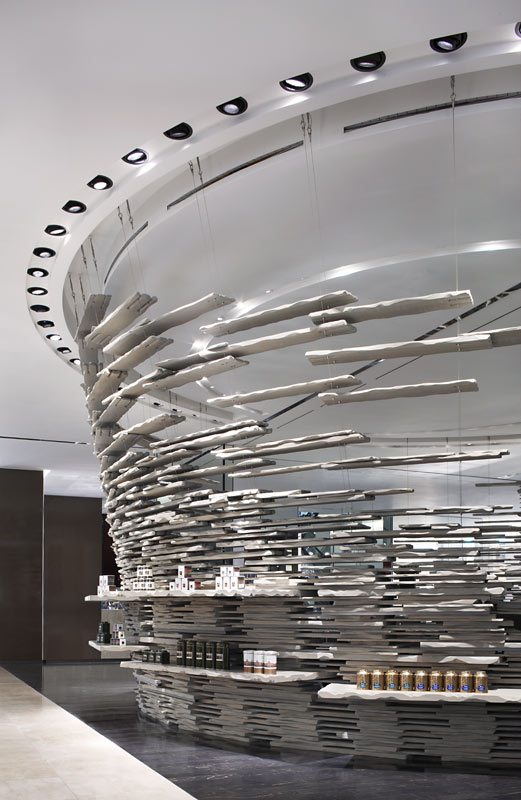
Interior Design in Taipei: Commercial & Residential Innovation
Interior design in Taipei is no longer about visual appeal alone. In a city shaped by high density, advanced technology, and a deeply ingrained lifestyle culture, interior environments must perform—economically, socially, and emotionally. From Grade-A office towers in Xinyi to compact residential apartments in Zhongshan and bespoke villas in suburban hillsides, space in Taipei is valuable, layered, and highly strategic.
As an interior design companyTaipei, our firm approaches both commercial and residential interiors as systems—ecosystems where people, movement, climate, culture, and business objectives intersect. This article explores how unique interior design ideas are transforming the way Taipei lives, works, stays, dines, and retreats at home.
Understanding How Taipei Lives, Works, and Experiences Space
Taipei is a city of contrasts: dense urban cores alongside quiet residential districts, global corporate headquarters next to night markets, and advanced digital infrastructure woven into deeply human daily rituals. Economic drivers include technology, finance, creative industries, healthcare, and hospitality—each placing different demands on interior environments.
Urban density is high. Space efficiency is critical. Most commercial buildings are vertical, while residential properties range from compact apartments to landed villas on the city’s outskirts. Climate conditions—hot, humid summers, frequent rain, and seismic considerations—shape material choices, construction detailing, and spatial planning.
Culturally, Taipei values balance: productivity without burnout, social connection without excess, and design that feels thoughtful rather than ostentatious. Interior design here must respond with precision, restraint, and intelligence.
Designing Hotels that Reflect the Identity of Taipei
Hospitality design in Taipei has evolved beyond luxury finishes. Today’s successful hotels differentiate themselves through experience, cultural narrative, and operational efficiency.
Experiential Guest Journeys
Hotel interiors are increasingly designed around the full guest journey—from arrival and check-in to rest, dining, and departure. Spatial sequencing, lighting transitions, and acoustic control play a critical role in shaping emotional memory.
Climate-Responsive Comfort
Humidity-resistant materials, breathable layouts, and layered shading strategies are essential. Interior comfort must be maintained without excessive energy consumption, aligning with ESG expectations.
Cultural Storytelling
Rather than literal symbolism, Taipei’s strongest hotel interiors interpret local culture abstractly—through material textures, muted palettes, and calm spatial rhythm. The result feels authentic yet contemporary.
Operational Intelligence
Back-of-house efficiency, housekeeping flow, and F&B circulation are embedded early in design strategy, ensuring long-term operational performance.
Hotel interior design Taipei today is about competitive distinction through intelligence, not extravagance.
High-Performance Workplace Design in Taipei
The workplace in Taipei is undergoing structural change. Hybrid work, talent competition, and employee wellbeing are reshaping how offices function.
Spatial Flexibility
Offices are shifting from desk-centric layouts to activity-based environments—focus zones, collaboration hubs, quiet rooms, and informal meeting spaces that adapt throughout the day.
Productivity & Wellbeing
Ergonomic planning, daylight optimisation, biophilic elements, and acoustic zoning support mental clarity and sustained performance. In a city where long working hours are common, wellbeing-centred design is no longer optional.
Technology Integration
Smart booking systems, AV-enabled collaboration spaces, and data-driven space utilisation allow companies to optimise footprint and operational cost.
Brand-Aligned Environments
Interior design becomes a physical expression of company culture—subtle, credible, and aligned with Taipei’s professional sensibility.
Office interior design Taipei is increasingly measured not by appearance, but by how well the space supports people and business outcomes.
Creating Social Destinations Through Restaurant & Club House Design
Taipei’s F&B and social culture is competitive, fast-moving, and highly experiential. Restaurants, cafés, and club houses must work harder to remain relevant.
Atmosphere as Strategy
Lighting, materiality, acoustics, and seating density define how long guests stay and how often they return. Spatial zoning supports both intimacy and energy.
Brand Identity Through Space
Successful venues translate brand values into spatial language—layout logic, visual rhythm, and sensory cues—rather than relying on decoration alone.
Social Media Visibility
Design now considers camera angles, layered backdrops, and lighting quality without compromising authenticity.
Restaurant interior design Taipei thrives where design, business logic, and social behaviour align.
Designing Homes that Respond to the Way Taipei Lives
Residential interior design in Taipei must reconcile limited space, multi-functional living, and evolving family structures.
Apartments
Compact apartments demand precise space planning, built-in storage, and flexible zoning to support work, rest, and social life within limited square meters.
Houses, Villas & Bungalows
Landed homes allow for indoor-outdoor relationships, vertical zoning, and greater privacy. Climate-responsive layouts, shaded courtyards, and smart ventilation are key.
Multi-Generational Living
Homes often accommodate parents, children, and elders. Interior layouts balance openness with privacy and acoustic control.
Smart Home Integration
Technology enhances comfort and efficiency, but remains discreet—serving life rather than dominating it.
Residential interior design Taipei is about quiet intelligence and long-term liveability.
Unique Interior Design Ideas We Implement
Across both commercial and residential projects, our firm applies context-driven design ideas:
-
Biophilic Integration: Natural textures and greenery supporting wellbeing
-
Adaptive Layouts: Spaces that change function across time
-
Layered Lighting Systems: Ambient, task, and feature lighting for flexibility
-
Material Contrast Strategy: Balancing warmth and precision
-
Cultural-Modern Fusion: Contemporary forms grounded in local sensibility
-
Technology-Enhanced Experience: Smart systems supporting, not distracting
Each idea is rooted in Taipei’s environmental, cultural, and economic reality.
Why Interior Design in Taipei Requires Local Intelligence
Interior design in Taipei is technically and culturally complex. Success requires:
-
Knowledge of building regulations and seismic standards
-
Understanding of climate-specific detailing
-
Familiarity with property typologies and developer expectations
-
Supply chain and material availability insight
-
Cultural sensitivity in spatial behaviour
An interior design companyTaipei must operate with local intelligence, not imported assumptions.
Our Design Approach
Our firm follows a structured, research-driven methodology:
-
Urban & Site Analysis
-
Concept & Spatial Strategy
-
Visualisation & Technical Detailing
-
Consultant Coordination
-
Execution & Project Control
-
Final Styling & Handover
Each decision is evaluated against functionality, longevity, and contextual relevance.
Transform Your Commercial or Residential Space in Taipei
Interior design in Taipei is entering a more professional, performance-driven era. Whether designing a hotel, office, restaurant, or home, the goal is no longer visual impact alone—but spaces that work, endure, and resonate emotionally.
As an interior design companyTaipei, our firm partners with clients who value intelligence, restraint, and long-term thinking. If you are planning to transform a commercial or residential space, the conversation should begin with understanding the city itself.
Connect with us in


